The Rhythm of Tea and Cedar in Old Kansai
Published by Kenji Sato · 6 min read
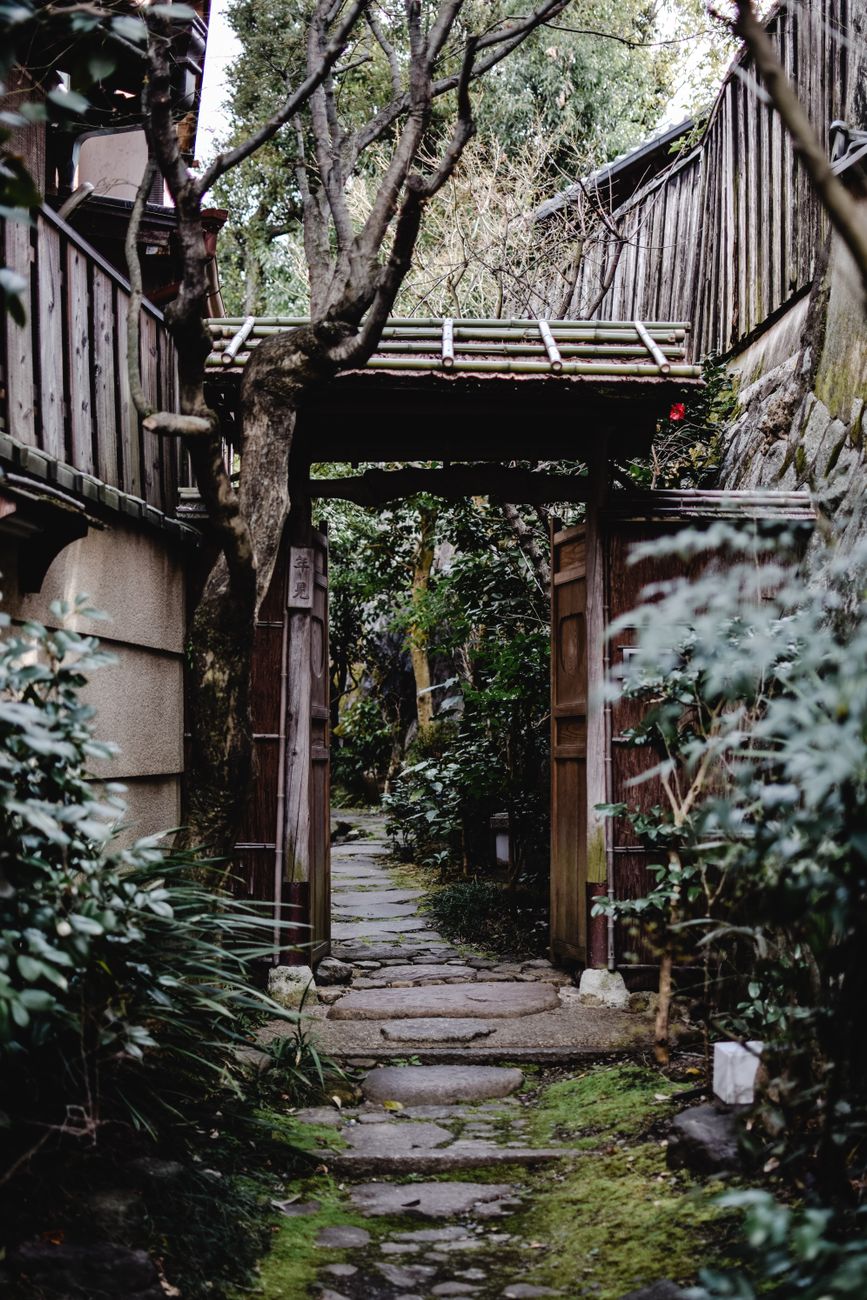
In the narrow alleys of northern Kyoto, morning arrives not with traffic, but with the rhythmic sweep of bamboo brooms against cobblestone. Water is scattered on threshold stones—a subtle gesture indicating that guests are welcomed into a clean, tranquil space.
The Architecture of Impermanence
The traditional machiya townhouse represents centuries of spatial genius. Built without a single iron nail, its interlocking joinery permits the structure to sway gently during tremors without collapsing. Sliding fusuma screens made of handmade washi paper filter harsh summer daylight into a gentle glow, establishing an atmosphere where shadow is valued as deeply as illumination.
"True hospitality in the Japanese sense—omotenashi—requires total presence. It is about anticipating comfort before a single word is spoken."
The Quiet Ceremony
Partaking in the chado tea ceremony reveals the foundational truth of slow travel. Every motion, from wiping the lacquer container to whisking powdered matcha, is executed with concentrated awareness. When we travel without urgency, the world ceases to be entertainment and becomes a mirror of mindful living.

Written by Kenji Sato
Kyoto cultural preservation researcher